
Rahul Gandhi is at the center of a fierce political storm as the Bharatiya Janata Party (BJP) accuses him of trying to weaken India’s democracy. The drama unfolded after Gandhi alleged the deletion of over 6,000 voters’ names in Karnataka’s Aland Assembly constituency. This controversy has garnered significant attention, revealing the intense rivalry between India’s two major political parties, the BJP and Congress.
Who?
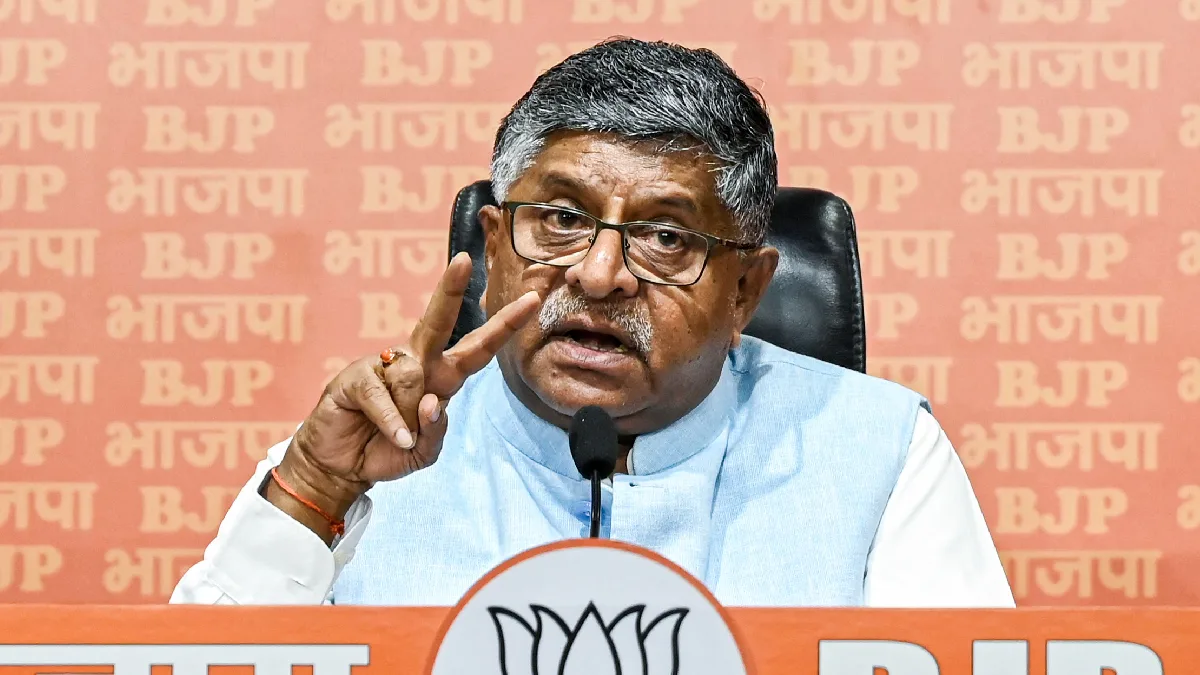
The BJP has responded vigorously to the claims made by Congress leader Rahul Gandhi. Former Union minister and BJP MP Ravi Shankar Prasad led the charge against Gandhi’s allegations.
What?
Gandhi accused Chief Election Commissioner Gyanesh Kumar of protecting those responsible for manipulating the voter rolls. This sparked strong criticism from the BJP, who claimed that Gandhi is undermining democratic values as he tries to shift the blame for the Congress’s recent electoral losses.
When and Where?
This controversy unfolded in Karnataka, a state where the Congress party recently emerged victorious in the 2023 elections. Prasad’s remarks came a day after Gandhi’s press conference where he made these accusations.
Why?
The BJP claims that Gandhi’s allegations stem from desperation, as the former Congress president faces dwindling public support. Prasad argued that due to the lack of votes, Gandhi is labeling previous elections as fraudulent.
BJP’s Perspective on the Allegations
The BJP’s Ravi Shankar Prasad did not hold back in his assessment of Gandhi’s motives. He emphasized that the public’s dissatisfaction with Gandhi is the true cause of his accusations.
“Rahul Gandhi is systematically trying to weaken India’s democracy. Why? Because the public doesn’t vote for him,” Prasad said. This reflects a growing sentiment within the BJP that Gandhi is diverting attention away from his party’s failures.
Experts Weigh In
Political analysts suggest this exchange is indicative of a larger trend where accusations fly between political parties, often overshadowing substantive discussions on issues that matter to voters.
“Both parties are playing a dangerous game where they focus more on discrediting each other instead of addressing the real concerns of the public,” says political analyst Dr. Anju Sharma. “Voter manipulation claims are serious, but it’s crucial to have credible evidence.”
False Allegations and Accountability
Prasad denied the validity of Gandhi’s claims, noting that the Chief Election Commissioner Gyanesh Kumar was not even in office during the 2023 elections, which makes Gandhi’s accusations less credible.
“What’s wrong with Rahul Gandhi? How many lies will he tell? How much will he distort facts?” Prasad asked, expressing frustration over what he perceives as Gandhi’s habit of making unfounded claims.
The Bigger Picture in Indian Politics
This political feud raises questions about accountability in the electoral process. The allegations of vote manipulation and other irregularities are serious and require thorough investigation.
Indira Gandhi, a notable figure in Indian politics, once faced similar challenges. The persistent struggle between power and accountability continues to be relevant. It exposes the vulnerabilities in the election system and how political figures may exploit them for personal gain.
As the discourse continues, the public remains watchful. Voter trust is crucial, and both parties must aim for transparency and integrity in their operations. With elections on the horizon, this narrative will undoubtedly shape voter perceptions.
Public Response and the Road Ahead
As of now, the public’s reaction to these allegations is mixed. While some support Gandhi’s calls for electoral integrity, others echo Prasad’s sentiments, asserting that the Congress leader is merely deflecting from the party’s own shortcomings.
The pressing question is: can both parties rise to the occasion and ensure that democracy in India remains intact? Voter sentiment will ultimately guide the future of political discourse in this vibrant democracy.
