
On September 26, Jammu and Kashmir Chief Minister Omar Abdullah condemned the arrest of climate activist Sonam Wangchuk, describing it as ‘unfortunate’ while accusing the BJP-led NDA government of failing to uphold its commitments.
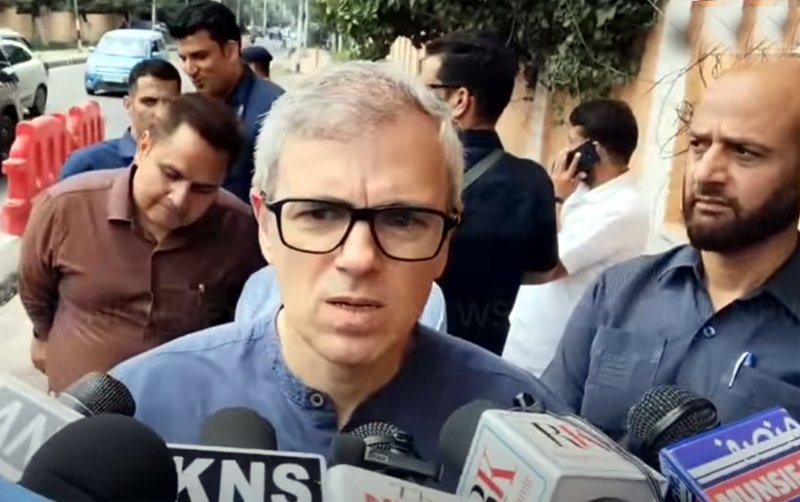
Abdullah made these statements during the inaugural ceremony of the third Junior Asian Pencak Silat championship in Jammu. He expressed his concerns, stating, “This (Wangchuk’s arrest) is unfortunate. The way the Central government was after him since yesterday, it seemed they would do something like this.”
Wangchuk’s apprehension comes only two days after violent protests in Ladakh resulted in four fatalities and approximately 90 injuries. As of now, officials have not disclosed specific charges against the activist, but the Home Ministry accused him of provoking violence due to his prominent role in the Leh Apex Body (LAB). The LAB and its ally, Kargil Democratic Alliance (KDA), have been leading a campaign demanding statehood for Ladakh and its inclusion under the Sixth Schedule of the Constitution.
In his remarks, Abdullah criticized the Centre’s accountability regarding promises made to the people of Ladakh. He recalled how a Union minister had visited Leh before the Hill council elections in 2020 to persuade locals to participate, which they did, resulting in a significant win for the BJP.
Highlighting the discrepancy between promises and actions, Abdullah said, “Promises were made with the people there…I don’t understand what compulsions does the Central government have to backtrack after making promises.”
Speaking about the anticipation of restoring Jammu and Kashmir’s statehood post-assembly elections, Abdullah questioned the rationale behind the delayed restoration. “If that is the case, then they should tell the court that till BJP doesn’t form the government in JK, statehood will not be restored,” he remarked.
Abdullah’s statements reflect a broader discontent with the BJP’s governance and its approach to local representation. He pointed out that despite the people’s participation in the electoral process, their needs remain unaddressed, leading to frustrations across the region.
Additionally, when addressing allegations from opposition leader Sunil Sharma, who accused Abdullah of justifying violence in Ladakh, the Chief Minister firmly stated that the blame always falls on others by BJP members. It illustrates the existing political tension in the backdrop of ongoing protests and demands for greater autonomy.
The escalation in Ladakh, alongside Wangchuk’s arrest, highlights the complexities within Jammu and Kashmir’s political landscape. As climate activism rises, the region faces both environmental challenges and demands for political representation, further complicating the relationship with the Centre.
This incident not only draws attention to the local grievances but also reverberates through national politics, as various stakeholders react to the government’s handling of the situation.
Wangchuk, a well-known advocate for sustainable development and climate resilience, has been pivotal in generating awareness about environmental issues in Ladakh. His activism resonates with many who advocate for both ecological sustainability and political autonomy.
The situation evolves as political leaders, activists, and citizens navigate the complexities surrounding governance and environmental issues in the region.
As the narrative unfolds, stakeholders continue to watch closely how the government responds to these escalating tensions in Ladakh.
