

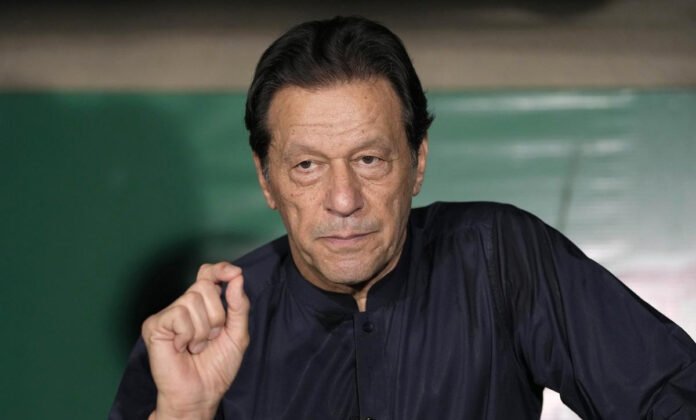
A Pakistani high court is set to hear a plea filed by former Prime Minister Imran Khan and his wife, Bushra Bibi, on Thursday. They are challenging their convictions in the controversial Al-Qadir Trust case.
The Islamabad accountability court sentenced the 73-year-old Khan to 14 years in prison, while Bibi received a seven-year term. These sentences came in January last year as part of a corruption case led by the National Accountability Bureau (NAB), the nation’s anti-sleaze watchdog.
After the convictions, both Khan and Bibi appealed to the Islamabad High Court (IHC). Initially, their case was scheduled for hearing on April 22. However, authorities canceled the hearing due to the temporary closure of the Red Zone, coinciding with anticipated negotiations between Iran and the United States.
According to a list of causes issued by the registrar’s office, a division bench that includes Chief Justice Sarfraz Dogar and Justice Muhammad Asif will hear the matter on Thursday, marking a significant moment in the ongoing judicial scrutiny of Khan’s legal battles.
The Al-Qadir Trust case involves allegations surrounding the trust, a welfare organization that administers a university located outside Islamabad. Reports indicate that the trust allegedly functions as a front to receive land worth millions of dollars from a prominent real estate tycoon.
NAB claims that the donations to the Al-Qadir Trust occurred in exchange for actions taken by Khan’s administration. Specifically, they allege that his government used repatriated funds from the United Kingdom to pay off fines on behalf of the businessman, rather than depositing the money into the national treasury.
In the face of these allegations, Khan has consistently denied any wrongdoing. He asserts that neither he nor his wife gained any financial benefit from the Al-Qadir Trust or related transactions. This case has drawn significant attention as it raises questions about corruption and governance in Pakistan.
The outcome of Thursday’s hearing could set precedents for future cases involving high-profile politicians in Pakistan, making it a pivotal moment in the nation’s judicial landscape.
